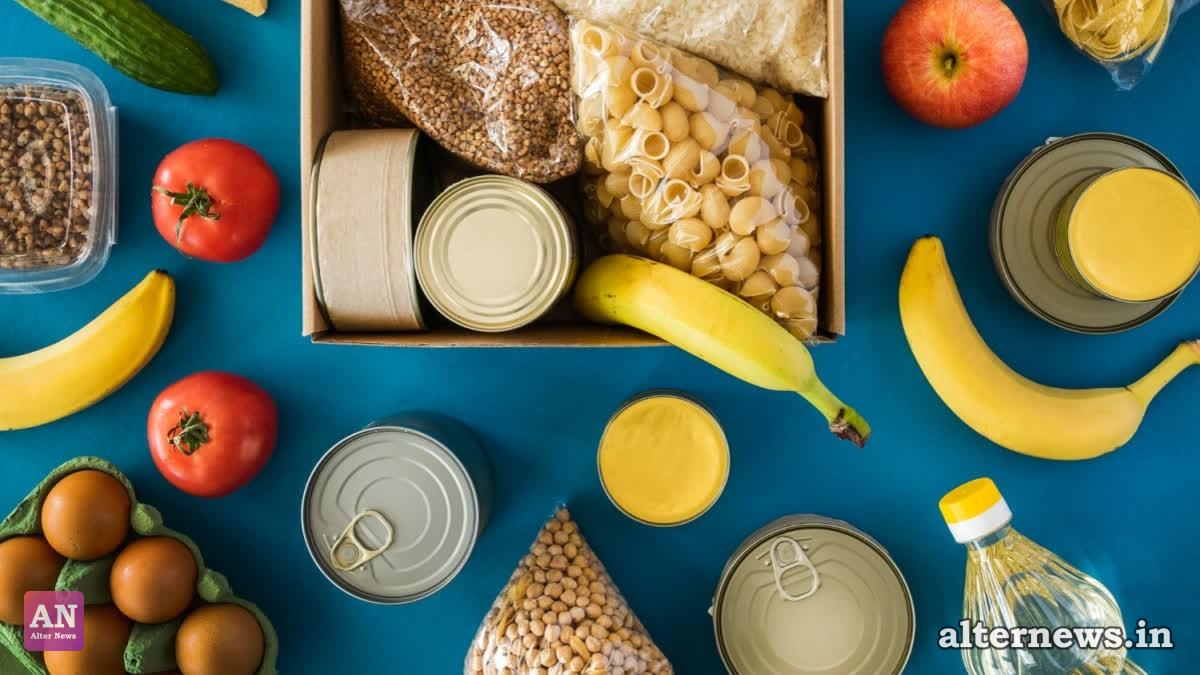
WASHINGTON — If you routinely throw away a carton of milk, a tub of yogurt, or a box of cereal solely because the printed date on the packaging has passed, you are not alone. Millions of households do the exact same thing every day. However, leading food safety scientists warn that this habit is leading to widespread, unnecessary food waste.
In the United States alone, a study conducted by the Johns Hopkins Bloomberg School of Public Health found that over 80 percent of consumers occasionally or regularly discard food as it approaches its stamped date label. Yet, experts emphasize that for the vast majority of groceries, those stamped dates have very little to do with whether the food will make you sick.
"The date labels guarantee quality up until that point," explains Donald Schaffner, a food safety specialist and professor at Rutgers University. "They are not about the safety of a product."
The Quality vs. Safety Confusion
Because there are no uniform federal standards governing food date labels in the United States—with the sole exception of infant formula—manufacturers use a confusing patchwork of terminology. Phrases such as "Best Before," "Best By," "Best If Used By," and "Sell By" often leave consumers baffled. In fact, research from the University of Maryland identified more than 50 distinct date variations used across the market.
"They are based on when the manufacturer estimates the product will taste best and when its texture and flavor will be at peak quality," says Rachel Zemser, a San Francisco-based food scientist who consults with food companies.
Because of this, shelf-stable items can remain perfectly safe long after their printed dates pass:
Canned Goods: Unopened canned beans, tomatoes, fruits, and vegetables undergo heat treatment and vacuum sealing, enabling them to remain safe for years past their stamped label.
Aseptic Packaging: Tetra-pak boxes of soy milk, almond milk, and broth remain edible well past the date so long as the seal remains unbroken and stored at room temperature.
Dry Pantry Staples: Cookies, crackers, chips, and cereals contain very little moisture, preventing bacterial growth. While they may lose crispness or taste slightly stale over time, consuming them poses no safety hazard.
Where Caution Is Necessary: Meats and Perishables
While dry and shelf-stable goods offer significant leeway, fresh meats, poultry, and seafood require stricter scrutiny. Raw animal proteins can spoil inside a domestic refrigerator even before reaching their stamped dates if exposed to temperature fluctuations.
"Most harmful bacteria require both air and moisture to thrive," notes Zemser. "Very dry products hold up extremely well, but I wouldn't take unnecessary risks with raw meat." She recommends tightly wrapping fresh meat in plastic and placing it in the freezer prior to the package date to safely extend its shelf life.
Consumers looking for reliable guidance can consult the FoodKeeper app, a tool developed by the U.S. Department of Agriculture (USDA) alongside Cornell University, which provides science-backed storage timelines for hundreds of food items.
Legislative Shifts Toward Standardized Labels
To clear up consumer confusion, legislative bodies are stepping in. California became the first U.S. state to ban confusing "Sell By" dates under a new law taking effect on July 1. Manufacturers selling in the state must now transition to just two simple, standardized phrases:
"Best If Used By" — Denoting peak taste and quality.
"Use By" — Indicating product safety cutoff points.
"Sell By" dates were originally designed as an internal tracking code for store inventory managers to ensure stock rotated off shelves before quality dipped, rather than an instruction for household consumers. Lawmakers in New York have recently passed similar legislation aiming to standardize food labeling.
The Critical Exception: Infant Formula
Food safety authorities highlight one crucial exception to the rule: infant formula.
By federal law, baby formula is required to carry a strict expiration date. Because formula serves as the sole source of nourishment for infants, the nutrients inside break down over time. Consuming formula past its stamped date can lead to severe nutritional deficiencies in growing babies.
For all other groceries, experts advise consumers to rely on sensory cues rather than strictly panicking over printed numbers. Inspecting items for visible mold, off-putting odors, and unusual color changes remains the most effective way to judge edible safety.