NEW DELHI — India possesses the medical knowledge, diagnostic tools, and effective vaccines required to eradicate viral hepatitis, yet bridging the gap between scientific innovation and universal access remains the country's central public health challenge.
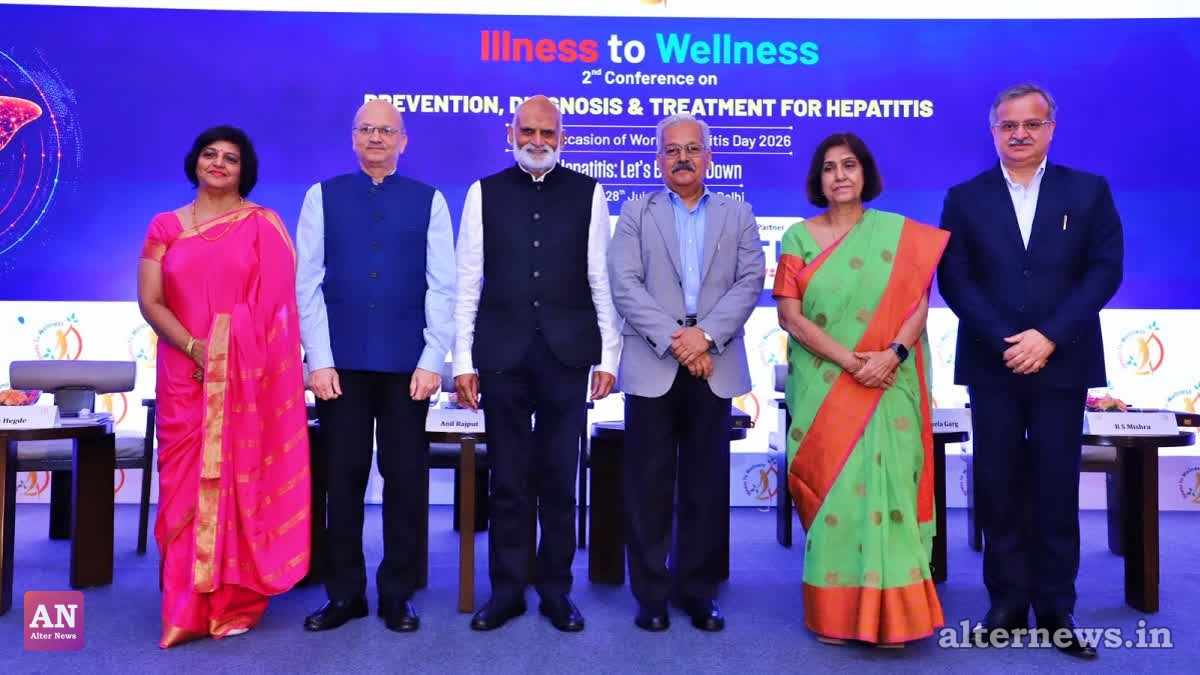
Leading policymakers, hepatologists, and healthcare advocates convened in New Delhi at the second edition of the Illness to Wellness (ITW) Foundation's national conference on "Prevention, Diagnosis, and Treatment for Hepatitis," organized to mark World Hepatitis Day 2026. The summit called for a unified, national response focused on adult immunisation, rigorous maternal screening, early diagnosis, and destigmatizing treatment across all socioeconomic strata.
Strengthening Collaboration and Reach
Delivering the keynote address, Rajesh Bhushan, Former Secretary of the Union Ministry of Health & Family Welfare and Chairperson of the Governing Council at the Illness to Wellness Foundation, highlighted the strides made under the National Viral Hepatitis Control Programme while stressing the need for broader partnership models.
"India has made meaningful progress through the National Viral Hepatitis Control Programme, but achieving greater impact will require stronger collaboration across stakeholders," Bhushan stated. "Government, healthcare institutions, the private sector, civil society, and development partners must work together to expand the reach of hepatitis services and ensure that quality care is available to every community."
Prioritizing Adult Immunisation and Stigma Reduction
Addressing the gathering, Padma Bhushan Dr. (Prof.) S. K. Sarin, Senior Professor of Hepatology and Director of the Institute of Liver and Biliary Sciences (ILBS), outlined India's immediate priorities in its national roadmap.
"India's next priority must be to expand adult hepatitis B immunisation, encourage early diagnosis, eliminate stigma, and ensure timely treatment for every patient," Dr. Sarin remarked. He noted that eliminating hepatitis is no longer solely a matter of medical advancement, but rather an imperative of equitable delivery, ensuring no citizen is left behind.
Key Focus Areas Across Technical Sessions
The conference featured three specialized technical sessions delving into the core pillars of viral hepatitis management:
Maternal Care & Transmission Prevention: Panelists emphasized universal screening during pregnancy, timely birth-dose vaccinations, and long-term monitoring of infants to block mother-to-child transmission routes.
Integrated Prevention & Digital Health: Experts examined strategies for expanding adult vaccination drives, leveraging digital healthcare technologies, and fostering public-private partnerships to enhance community surveillance.
Diet, Lifestyle, and Liver Wellness: Discussions underscored the pivotal role of personalized nutrition, dietary counseling, and holistic care interventions in optimizing treatment outcomes and preserving long-term liver health.
A Whole-of-Society Approach
Anil Rajput, Chairperson of the Advisory Council at the Illness to Wellness Foundation, reinforced that tackling a public health challenge of this scale requires active participation across every sector of society.
"Public health succeeds not through isolated efforts but through partnerships that place prevention at the heart of national development," Rajput said.
Clinical experts including Dr. Asha Hegde (PATH India), Dr. R. S. Mishra (Max Smart Super Speciality Hospital), Dr. Anil Agarwal (Sir Ganga Ram Hospital), and Dr. Anita Shete-Aich (ICMR–National Institute of Virology) echoed the imperative for early diagnostic infrastructure and molecular testing integration to meet the World Health Organization’s target of eliminating viral hepatitis by 2030.