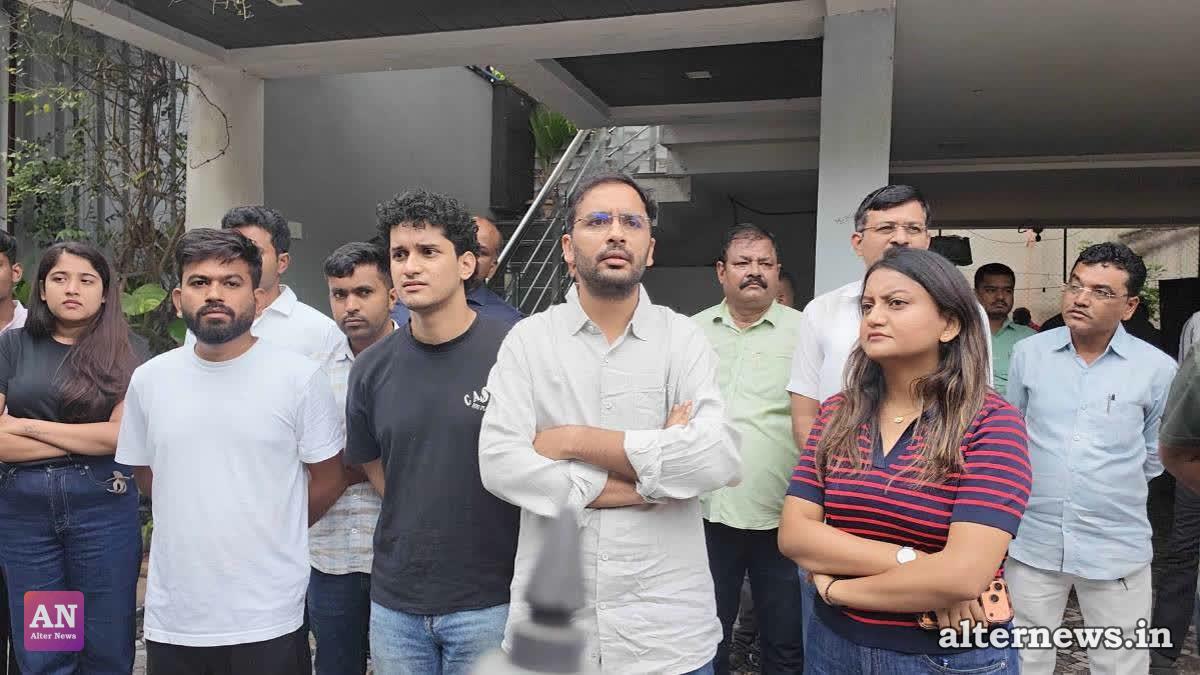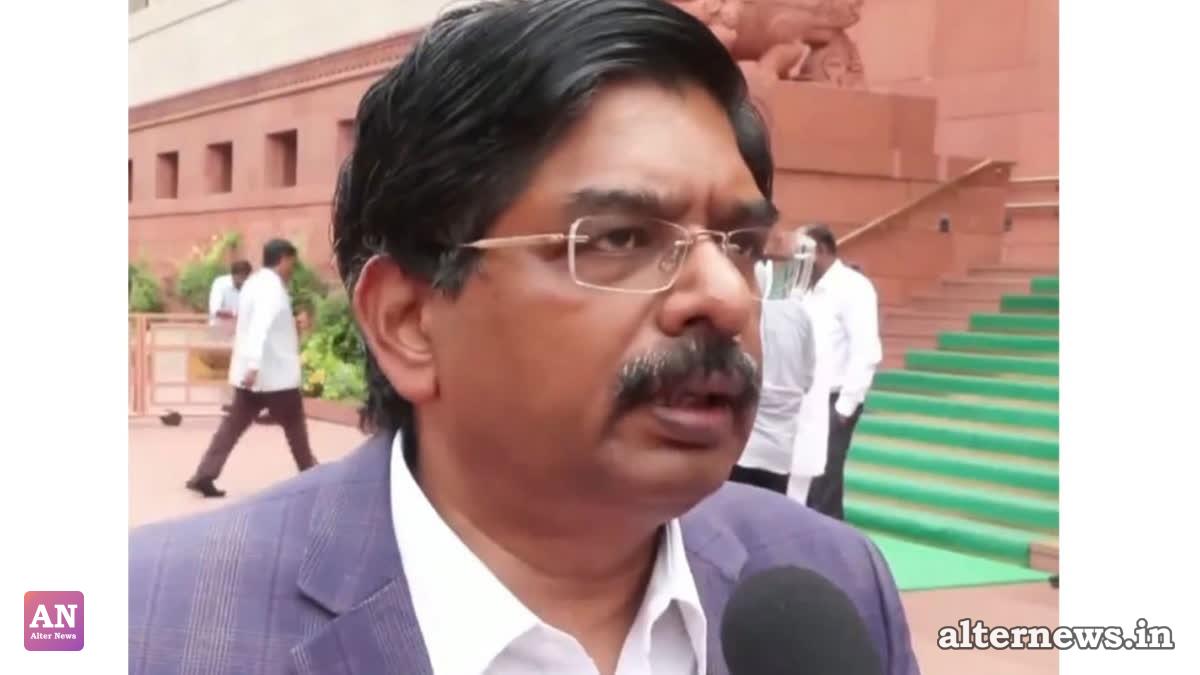
NEW DELHI — A high-level delegation of Christian leaders and minority representatives, led by DMK Rajya Sabha Member of Parliament P Wilson, called on Union Home Minister Amit Shah on Thursday to express strong reservations regarding the proposed Foreign Contribution (Regulation) Amendment Bill, 2026.
Submitting a formal memorandum to the Home Minister, the delegation urged the Central Government to immediately withdraw the legislation or refer it alongside a comprehensive review of the Foreign Contribution (Regulation) Act (FCRA), 2010, to a Joint Parliamentary Committee (JPC) for detailed legislative scrutiny.
Concerns Over "Confiscatory" Provisions
In their representation, the leaders emphasized that while they do not oppose the government's authority to regulate foreign funding—calling state oversight a "legitimate and necessary function"—the 2026 bill moves far beyond basic regulation.
According to a statement issued by the Joint Action Forum on Minorities (JAFM), chaired by MP P Wilson, the draft legislation shifts the statutory framework from licensing oversight to a "confiscatory regime." The delegation highlighted that under the proposed amendments, the charitable properties and assets of non-governmental organizations could automatically vest in designated government authorities without a prior hearing or independent judicial determination.
The delegation argued that while the existing law revokes licenses upon non-compliance—leaving open statutory pathways for organizations to re-register and recover assets—the new bill permanently divests institutions of their real estate, buildings, and infrastructure.
Severe Impact on Welfare and Charitable Services
Raising alarms over the broader societal fallout, the delegation warned that the stringent measures would inadvertently penalize vulnerable citizens who rely on civil society initiatives.
"The harm falls upon beneficiaries, not upon wrongdoers," the memorandum noted, stressing that many minority-managed and secular voluntary organizations operate essential welfare facilities across India, including schools, colleges, hospitals, dispensaries, orphanages, and old-age homes. "When a certificate ceases and the assets vest, it is the patient in the ward, the child in the hostel, and the inmate of the home who is turned out, not any person accused of an offence."
The representatives maintained that key governance objectives—such as financial transparency, operational accountability, and preventing the misuse of foreign donations—can easily be enforced within the existing legal architecture without resorting to the permanent takeover or vesting of charitable property. They also called for the outright repeal of Section 15 of the current Act, which relates to the government vesting of assets.
High-Level Delegation and Government Response
The meeting featured prominent church heads and minority body representatives across various denominations. Members of the delegation included:
Archbishop Anil Couto
CSI Moderator K. Reuben Mark
Evangelist Paul Dhinakaran
Senior representatives from the Catholic Bishops' Conference of India (CBCI)
Representatives from the National Council of Churches in India (NCCI)
Leaders from the Church of North India (CNI)
As reported by