NEW DELHI — India on Friday firmly pushed back against criticism from several United States lawmakers regarding proposed changes to the Foreign Contribution (Regulation) Act (FCRA), asserting that legislative decisions in the country are strictly internal affairs governed by Parliament.
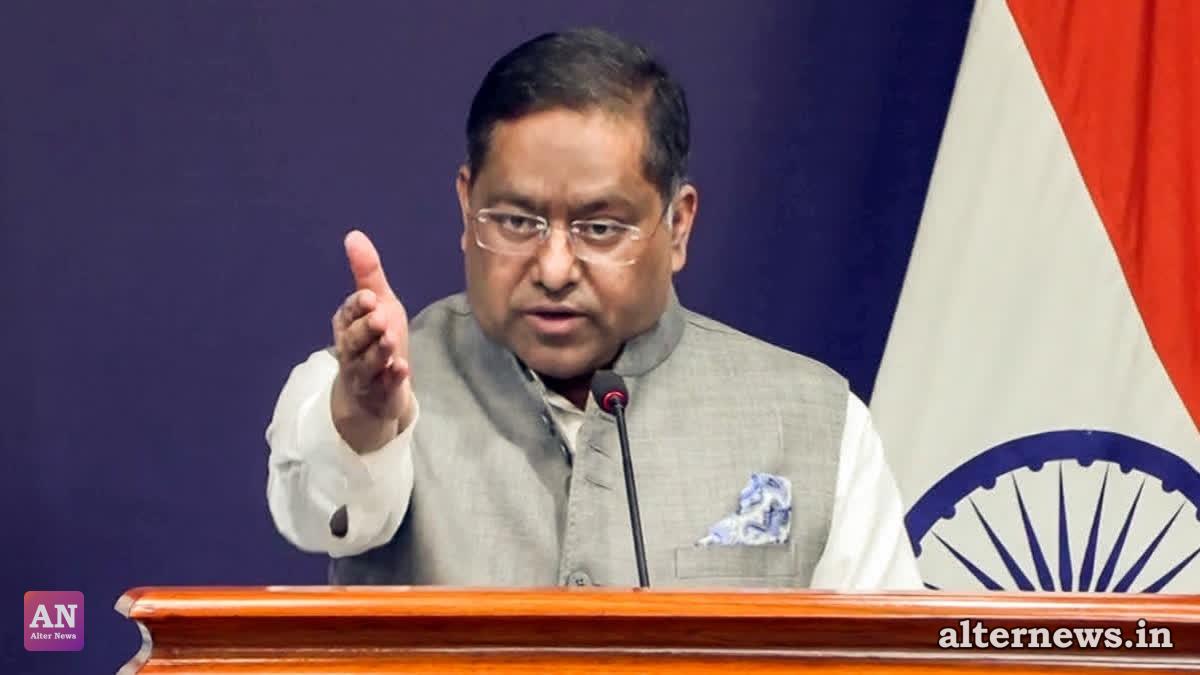
Addressing reporters during his bi-weekly media briefing in New Delhi, Ministry of External Affairs (MEA) spokesperson Randhir Jaiswal stated that India’s domestic legislative procedures are determined by its own sovereign lawmaking body.
"We have seen the comments critical of the proposed changes. Legislative matters concerning India are our internal affairs, on which decisions are taken by the Parliament of our country," Jaiswal said.
The MEA spokesperson also drew parallels to international practices regarding foreign funds, highlighting that regulatory measures are standard practice across global democracies. "I would also like to point out that there are several nations, including the United States, which regulate the flow of foreign funds," Jaiswal added.
The response comes after several American lawmakers from both the Republican and Democratic parties expressed concern over proposed amendments to the law. Senator James Risch, who chairs the US Senate Foreign Relations Committee, and Republican Congressman Riley Moore raised issues regarding the potential impact of the legislation on non-governmental organizations, Christian charities, and broader civil society groups operating in India.
In a statement posted on social media, Congressman Moore alleged that the amendments could pave the way for government oversight of religious institutions, warning that the bill's progression could become a point of concern in bilateral relations between Washington and New Delhi.
The Foreign Contribution (Regulation) Amendment Bill 2026 was introduced in the Lok Sabha on March 25. The proposed legislation outlines a comprehensive legal framework for the oversight, vesting, management, and eventual disposition of foreign contributions and assets by a designated authority.
Despite concerns raised abroad and representations from local civil society leaders, official sources maintain that the legislation aims to enhance transparency and ensure that foreign funds entering the country comply with domestic regulatory standards.