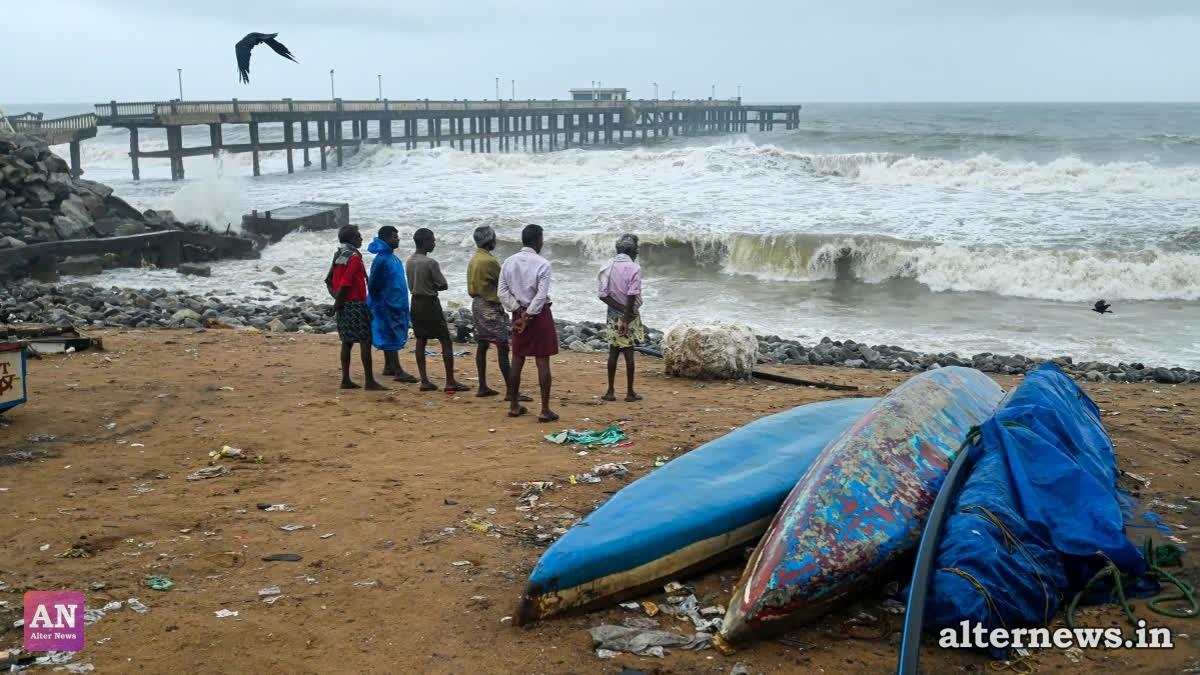
THIRUVANANTHAPURAM: In response to looming rough sea conditions, the Indian National Centre for Ocean Information Services (INCOIS) has issued a comprehensive red alert across all coastal districts of Kerala.
The high-alert period remains effective, warning that sea conditions will stay turbulent.
Understanding the 'Kallakkadal' Threat
The Kallakkadal phenomenon describes a sudden, ferocious surge of the sea that occurs without any immediate local atmospheric warnings or wind activity.
Vulnerable Zones and Affected Regions
Authorities have flagged vulnerable low-lying coastal spots across all nine maritime districts in the state, urging residents to remain on high alert.
Thiruvananthapuram: Kappil to Pozhiyoor
Kollam: Alappad to Edava
Alappuzha: Chellanam to Azheekal jetty
Ernakulam: Munambam fishing harbour to Maruvakkad
Thrissur: Attupuram to Kodungallur
Malappuram: Kadalundi Nagaram to Palappetty
Kozhikode: Chombala fishing harbour to Ramanattukara
Kannur: Valapattanam to New Mahe
Kasaragod: Kunjathur to Kottakunnu
Beyond Kerala, similar high-wave alerts have been extended to the Lakshadweep archipelago and select coastal sectors of Tamil Nadu, including Kanyakumari, Ramanathapuram, Thoothukudi, and Tirunelveli.
Strict Safety Protocols and Advisories
With sea surges expected to intensify, the state disaster management machinery has laid down strict safety protocols:
Relocation: Residents residing in low-lying, vulnerable zones are instructed to relocate to safer designated shelters.
No Sailing: Small boats, canoes, and fishing vessels must completely avoid venturing into the sea.
Launching or docking vessels during peak swell activity is extremely dangerous. Harbour Safety: Fishermen must securely moor their boats inside harbors, maintaining adequate gaps between vessels to prevent collision damages, while safely storing fishing gear.
Tourism Ban: All beach-centric tourism, water sports, and recreational shoreline activities remain suspended until INCOIS officially withdraws the warning.
Coastal communities have been asked to stay vigilant against sudden coastal erosion as authorities continuously monitor the evolving oceanic situation.