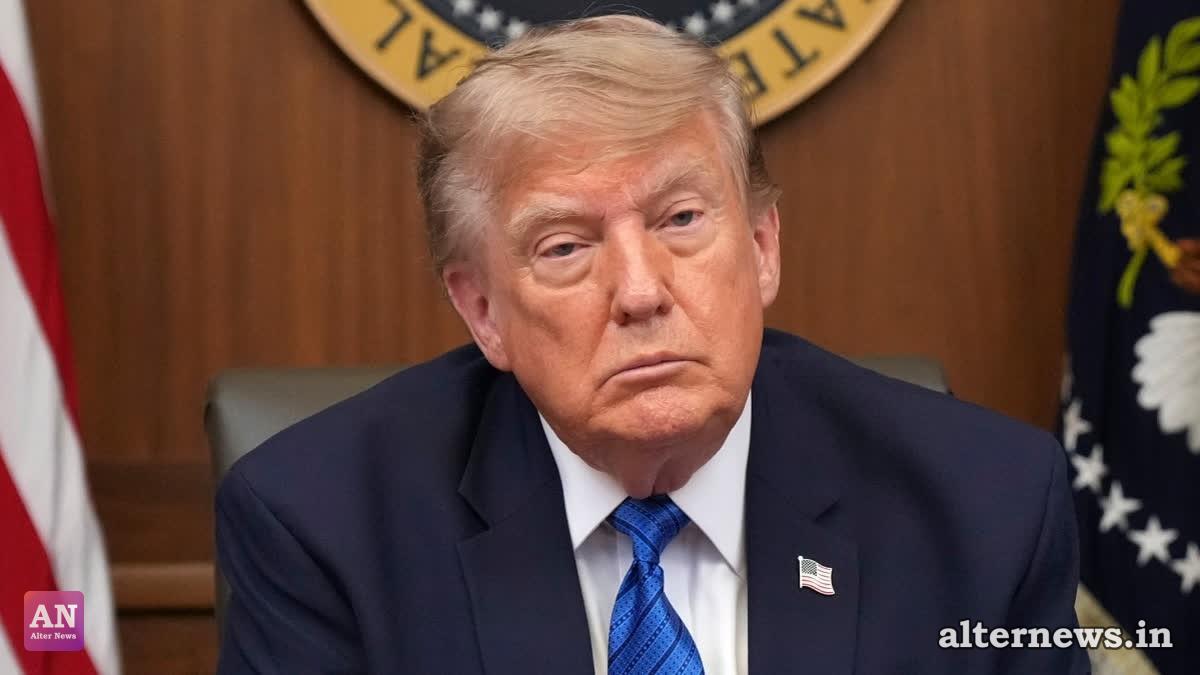
WASHINGTON — President Donald Trump stated on Friday that his proposed $1.8 billion "anti-weaponization" fund is "dead," while simultaneously continuing to defend the idea, adding further friction to negotiations with key Senate Republicans who are currently holding up his nominee for Attorney General.
Speaking to reporters at Camp David, Trump acknowledged that administration officials had "agreed not to have a fund" designed to compensate political allies and individuals prosecuted by the Department of Justice. However, the President made it clear that he personally disagreed with dropping the initiative, according to reporting by the
The comments came just hours after Trump posted on social media that individuals prosecuted by the Justice Department—including those charged in connection with the Jan. 6 Capitol attack—"are suffering still, many ruined, and I felt that they should be given compensation for what has been done to them."
Senate Standoff Over Todd Blanche Confirmation
Trump’s mixed signals have complicated efforts to confirm acting Attorney General Todd Blanche. Republican Senators John Cornyn of Texas and Thom Tillis of North Carolina, both senior members of the Senate Judiciary Committee, have refused to vote in favor of Blanche's confirmation until they receive legally binding written guarantees that the fund will be permanently terminated.
"The President made it clear today that the so-called Anti-Weaponization Fund is still alive, which is exactly why we are attempting to formally end it," Tillis said following Trump’s social media comments.
As detailed by
While acting AG Blanche previously testified that the order establishing the fund was rescinded, Senators Cornyn and Tillis are insisting on precise language ensuring the decision cannot be quietly reversed by the executive branch.
Audit Provisions and Legal Challenges
In addition to scrapping the compensation fund, Senators Cornyn and Tillis are seeking written clarification regarding a separate provision in the IRS settlement that grants tax audit immunity to Trump and his family. Cornyn voiced concerns that the proposed terms could potentially shield more than 100 Trump Organization subsidiaries from prospective audits in the future.
"Todd Blanche said it was limited to the parties to the litigation — and it was retrospective, not prospective," Cornyn stated. "And all we're doing is asking them to put that in writing."
The confirmation vote for Blanche in the Senate Judiciary Committee was postponed earlier in the week as negotiations stalled. While Trump suggested publicly that he might withdraw Blanche’s nomination and resubmit it next year after Cornyn and Tillis leave office, representatives for both sides continued closed-door discussions on Capitol Hill.
Meanwhile, federal legal challenges around the settlement continue to mount. Federal court filings show Trump’s attorneys intend to appeal a judge's ruling that characterized the IRS settlement structure as an improper exercise in self-dealing.