WASHINGTON — The Trump administration’s newly launched economic campaign to cut off Iran's financial lifelines worldwide faces a formidable roadblock: China.
Unveiled by U.S. Treasury Secretary Scott Bessent under the banner "Operation Economic Outcast," the administration’s strategy aims to isolate Tehran’s financial system and choke off its revenue streams. However, Beijing remains Iran’s single largest trading partner and its primary oil buyer, purchasing over 80% of Iranian crude exports.
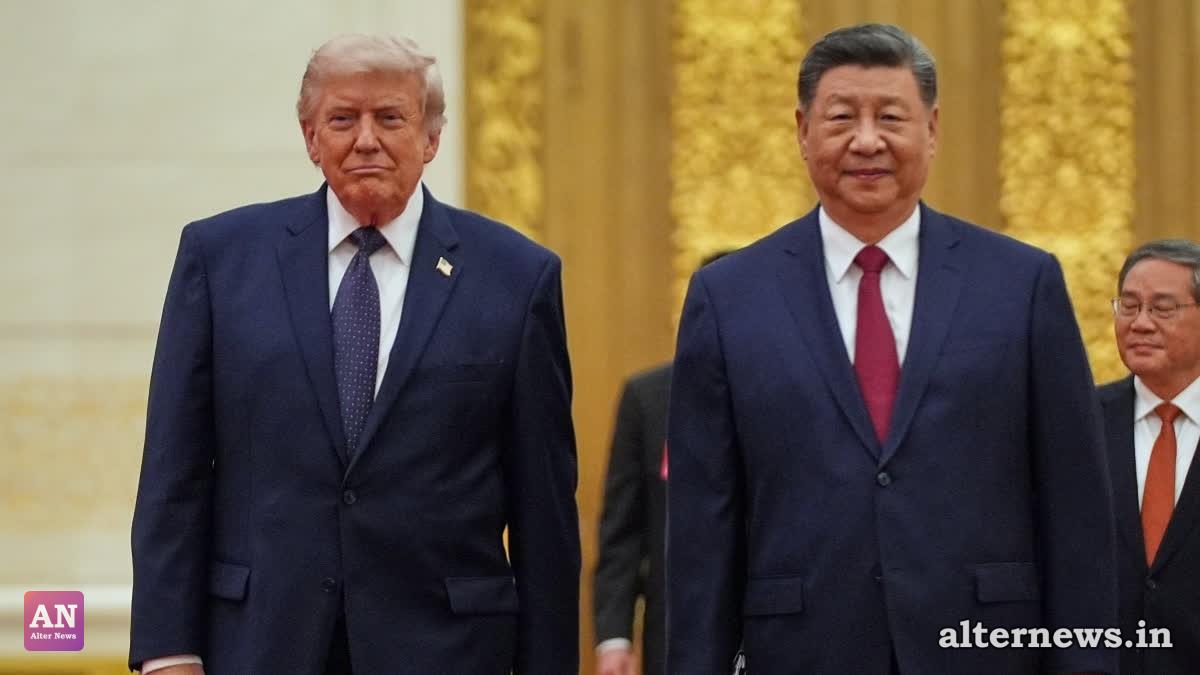
The push to choke Tehran's economy arrives at a delicate moment for U.S.-China diplomacy. President Donald Trump is scheduled to host Chinese President Xi Jinping next month in Washington to protect a delicate trade truce between the world's two largest economies.
Foreign policy analysts note that Treasury officials deliberately avoided detailing harsh penalties against major Chinese financial institutions during initial sanction announcements. Experts suggest Washington is navigating a narrow diplomatic path—seeking to press Beijing on Iranian oil imports without triggering trade friction ahead of the high-stakes bilateral summit.
"The announcement was very careful to avoid specifics against China that could lead to a disruption of the upcoming summit," said Edgard Kagan, a senior adviser at the Center for Strategic and International Studies (CSIS). "For both Xi and Trump, this state visit is a major priority, creating a complex balance between sanctions enforcement and bilateral relations."
In response to Washington's strategy, China’s Foreign Ministry maintained that its trade with Iran operates strictly within international law. Ministry spokesperson Lin Jian reaffirmed Beijing’s opposition to unilateral sanctions, stating that China will take necessary steps to safeguard its economic interests while monitoring developments closely.
While recent U.S. sanctions targeted nearly 60 entities—including a Chinese-owned crude tanker and select Hong Kong firms involved in shadow-fleet oil transfers—the U.S. has so far refrained from penalizing major state-owned Chinese banks or corporations tied to the Western financial system.
Foreign policy experts at the Stimson Center and the International Crisis Group suggest Beijing may implement moderate adjustments—such as modestly curbing crude purchases—to demonstrate cooperation without cutting ties with Tehran or jeopardizing the summit with Washington.
As Washington and Beijing prepare for next month's meetings, the effectiveness of Trump's maximum-pressure campaign against Iran will largely depend on how far the U.S. is willing to push China without unraveling their own trade stability.