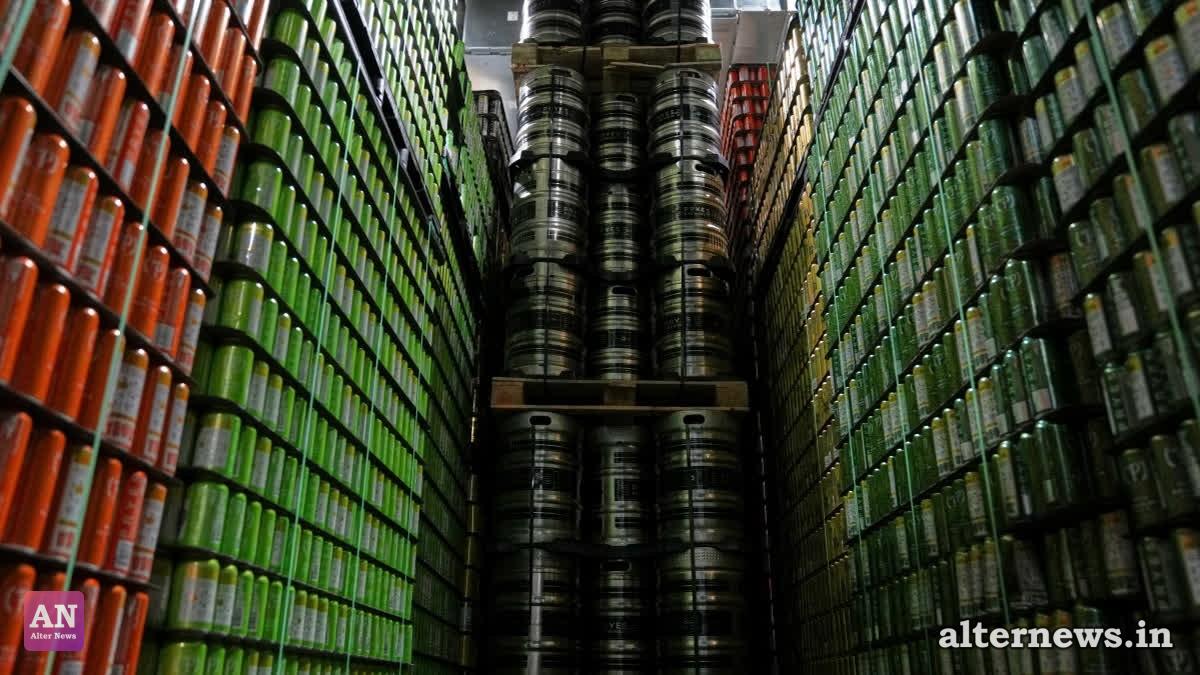
WASHINGTON — In a dramatic escalation of cross-border trade conflict, the White House announced on Tuesday that the United States will ban imports of Canadian dairy products, most alcoholic beverages, and motorcycles.
The retaliatory move by the Trump administration comes hours after Canada implemented promised tariffs on approximately
In addition to the targeted import bans, President Donald Trump directed the U.S. General Services Administration to exclude Canadian suppliers from participating in large, long-term U.S. government procurement contracts until Canada guarantees "full and fair reciprocity" for American businesses.
Tit-for-Tat Measures
The latest round of restrictions targets key sectors that have been central to the friction between both nations.
The friction escalated after several Canadian provinces removed U.S. alcoholic beverages from store shelves in response to previous U.S. tariff actions.
U.S. officials stated that the measures were necessary to restore balance. "We told the Canadians some weeks ago that if they took this step, the United States would have no choice but to try to relevel the playing field," a U.S. official noted.
Ottawa Shifts Focus Beyond the Border
Addressing reporters in Ottawa, Canadian Prime Minister Mark Carney defended Canada's counter-tariffs while reiterating that his government’s strategic priority is reducing economic reliance on Washington.
"It was easy business, but it meant we relied too much on one economic partner," Carney said.
Carney emphasized that negotiators found Washington's underlying demands unacceptable during failed trade talks last month.
As part of efforts to diversify trade partners, Canadian officials confirmed Ottawa is actively consulting provinces, territories, and industry groups to deepen economic links with the European Union.
Despite the heightened rhetoric, White House officials noted late Tuesday that U.S. and Canadian representatives have held constructive dialogue in recent days and will remain in contact to determine if a viable path forward exists.