WASHINGTON — In a dramatic escalation of cross-border trade friction, U.S. President Donald Trump has announced that the United States will hike tariffs on Canadian cars, trucks, automotive components, and steel imports to 50 percent beginning January 1, 2027.
The move follows the complete collapse of high-stakes trade negotiations between Washington and Ottawa over the weekend.
Posting on his Truth Social platform, President Trump accused Canada of unfair trade practices, citing high agricultural tariffs and a persistent U.S. trade deficit.
"Canada has been ripping off the United States of America for years. Their ridiculously high tariffs on our Farmers and farm products has made life impossible for these great American Patriots, and has long created a 60 Billion Dollar Deficit between our two Countries," Trump wrote. "On January First, 2027, Tariffs on all Cars, Trucks, both large and small, Automotive Parts, and Steel, will be increased to 50%. Build in the U.S. and there are ZERO TARIFFS. Canada will be treated like a State no longer!"
Trump further claimed that Canada remains far more dependent on the U.S. economy than vice versa, asserting that Canada conducts nearly 95 percent of its trade with the United States while the U.S. relies far less on Canadian imports.
Ottawa Vows Dollar-for-Dollar Retaliation
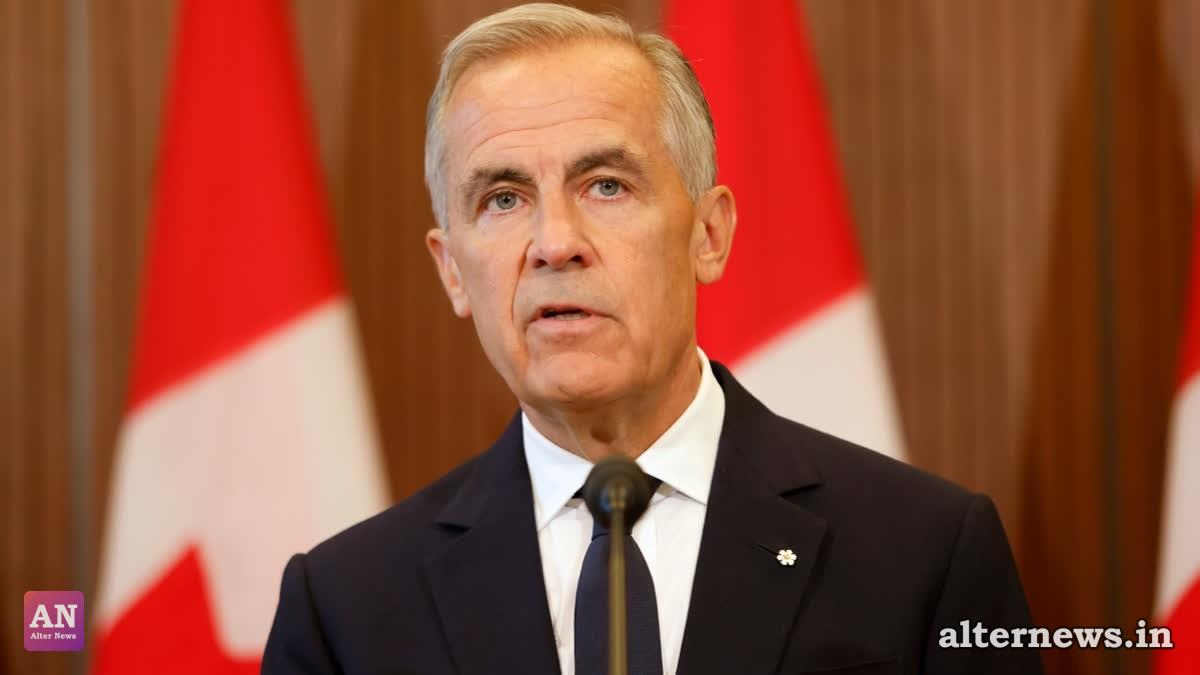
The latest broadside came after Canadian Prime Minister Mark Carney instructed negotiators to walk away from talks in Washington, labeling the final proposed U.S. terms "unfair" and "uneconomic."
Carney confirmed that Canada will match the U.S. measures with dollar-for-dollar retaliatory duties to safeguard Canadian industry and labor.
"We cannot accept what the U.S. has offered, and we will not give what they have asked," Carney stated. "Canada will match the U.S.' new tariffs dollar for dollar in order to protect Canadian workers, farmers, families, and businesses."
Canada's retaliatory framework is slated to take effect on September 8, targeting key U.S. exports including steel, dairy, household appliances, agricultural equipment, pulp and paper, and electronics.
The impasse follows earlier U.S. actions imposing 50 percent duties on approximately $20 billion worth of Canadian imports, hitting around five percent of Canada's total exports to the U.S. Carney noted that while discussions had shown progress, last-minute U.S. demands rendered a reliable consensus impossible. He added that Canada is accelerating plans to diversify export markets and deploy major domestic infrastructure initiatives to cushion the fallout.
Washington Blames Canadian "Walkbacks"
The Office of the United States Trade Representative (USTR) offered a starkly different narrative, expressing disappointment over Ottawa’s departure from the bargaining table.
According to USTR officials, Washington had offered Canada unprecedented sector-specific relief on steel, aluminum, automotive goods, and lumber, alongside strategic agreements on critical minerals and supply chain integration.
"Despite the U.S. offer to Canada to receive the best treatment of any major exporter to our market, new demands and walkbacks of other commitments by Canada have upended the careful balance reached in the past days," the USTR said in a statement.
With cross-border automotive supply chains deeply integrated and billions in bilateral trade hanging in the balance, the newest policy shift signals a protracted period of economic uncertainty for industries on both sides of the 49th parallel.