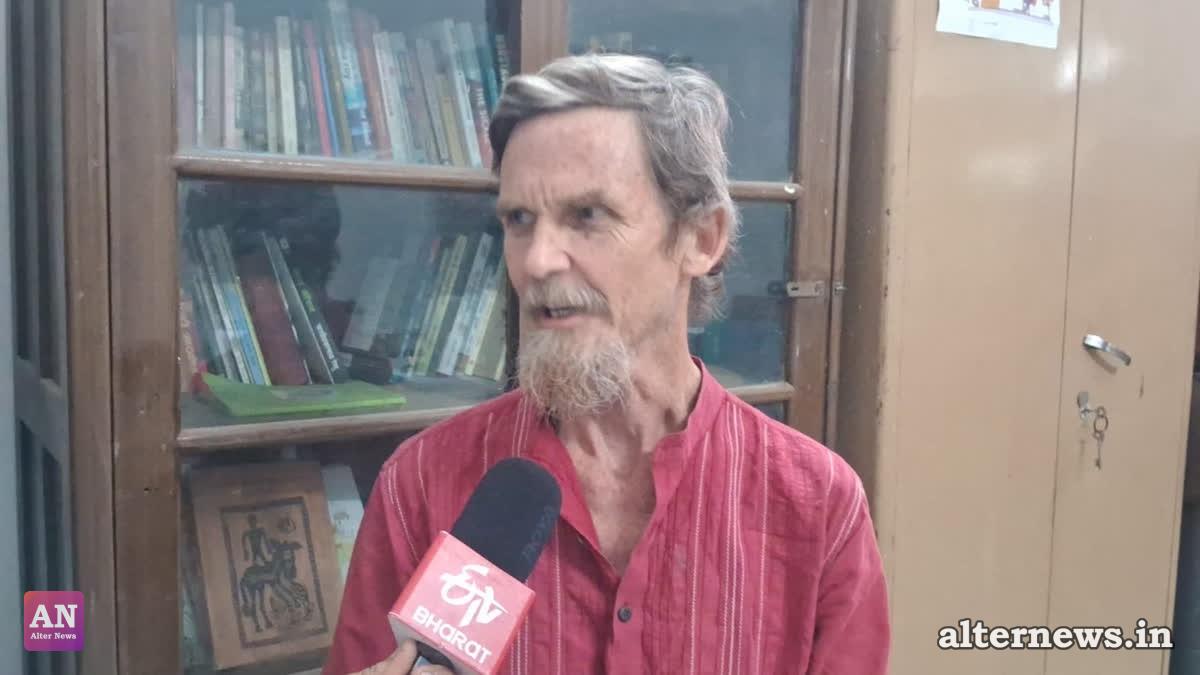
RANCHI — The Central Government’s newly launched rural employment initiative, the Viksit Bharat-Guarantee for Rozgar and Ajeevika Mission Gramin (VB-GRAM-G), has run into major turbulence in its very first month. Terming the revamped scheme a complete "flop show," renowned welfare economist Jean Drèze warned that rural employment generation has plunged by nearly half across India compared to the same period last year.
In an exclusive interview with ETV Bharat, Drèze pointed out that the situation is far more severe in states heavily dependent on daily-wage labor. In Jharkhand, for instance, rural job creation under the scheme dropped by an alarming 75 percent between April and July, rendering employment opportunities virtually non-existent during a season when agricultural work is scarce.
Implementation Chaos and Communication Gaps
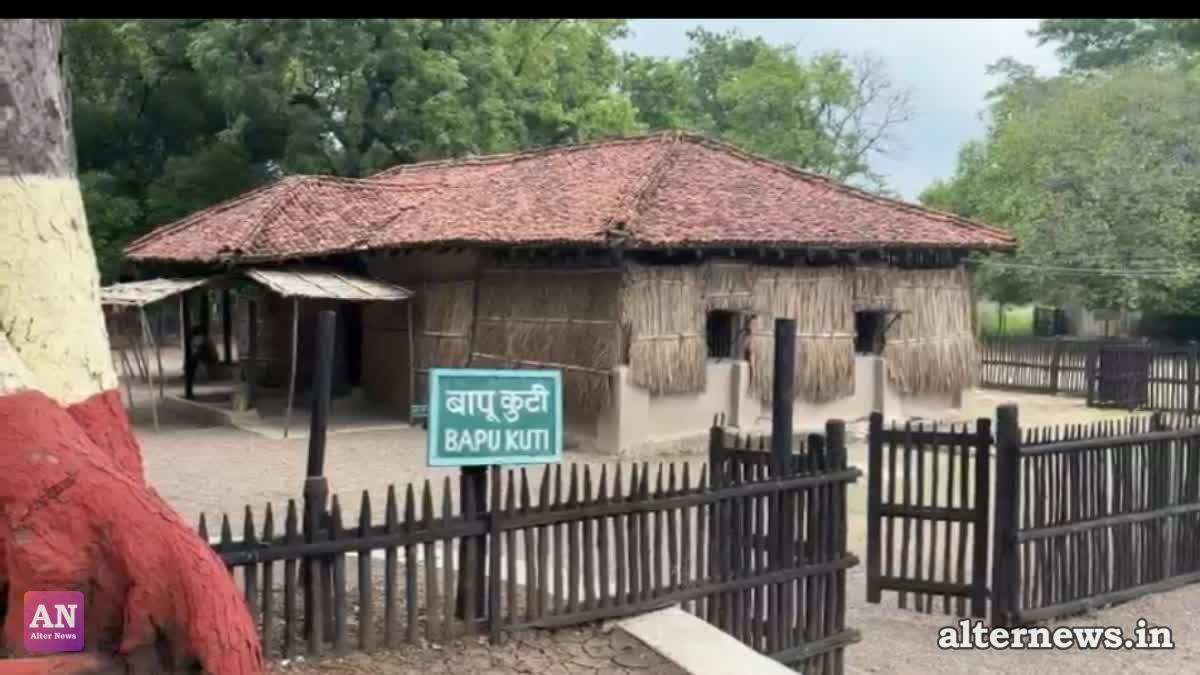
The VB-GRAM-G scheme officially came into force on July 1, 2026, replacing the decade-old Mahatma Gandhi National Rural Employment Guarantee Act (MGNREGA). While the Union Government projected the reform as an upgrade—promising an increase in guaranteed annual employment from 100 days to 125 days—Drèze noted that execution on the ground has been severely crippled by bureaucratic confusion and structural funding flaws.
Drèze explained that mixed messaging from the top created operational paralysis among grassroots personnel. "The Union Minister for Rural Development initially signaled last December that the new framework would roll out on April 1," Drèze stated. "This left field coordinators and Rozgar Sevaks (employment assistants) entirely uncertain about how to proceed, halting work applications at the grassroots."
The Fiscal Trap: Unfunded State Mandates
Financial missteps have further paralyzed the scheme. Under the redesigned framework of VB-GRAM-G, state governments are required to shoulder a massive 60 percent funding share—a steep rise from the 20 percent co-funding required under the original MGNREGA, which was largely financed by the Central Government.
Because states were kept in the dark about funding allocation breakdowns until June, no budgetary provisions were made during state budget sessions earlier in the year.
"In a state like Jharkhand, where the Central allocation stands at ₹2,700 crore, the state government is expected to pitch in ₹1,800 crore," Drèze said. "With zero budgetary allocation set aside for this sudden increase in state spending, implementation has come to a grinding halt."
Worker Apathy, Delayed Wages, and Token Gestures
Beyond administrative hurdles, rural laborers are increasingly turning away from the scheme due to payment delays and an overcomplicated disbursement architecture. Delays caused by bureaucratic bottlenecks and changing incentive metrics have eroded public trust in state-backed wage guarantees.
Addressing the Centre's headline promise of increasing guaranteed work to 125 days, Drèze dismissed the move as a mere PR exercise. "Raising the limit to 125 days is nothing more than a token gesture when actual job creation on the ground has plummeted so drastically," he argued.
Drèze emphasized that the government must urgently fix payment delays, eliminate systemic corruption, and restore the core statutory guarantees of the original MGNREGA to protect millions of vulnerable rural households from distress.