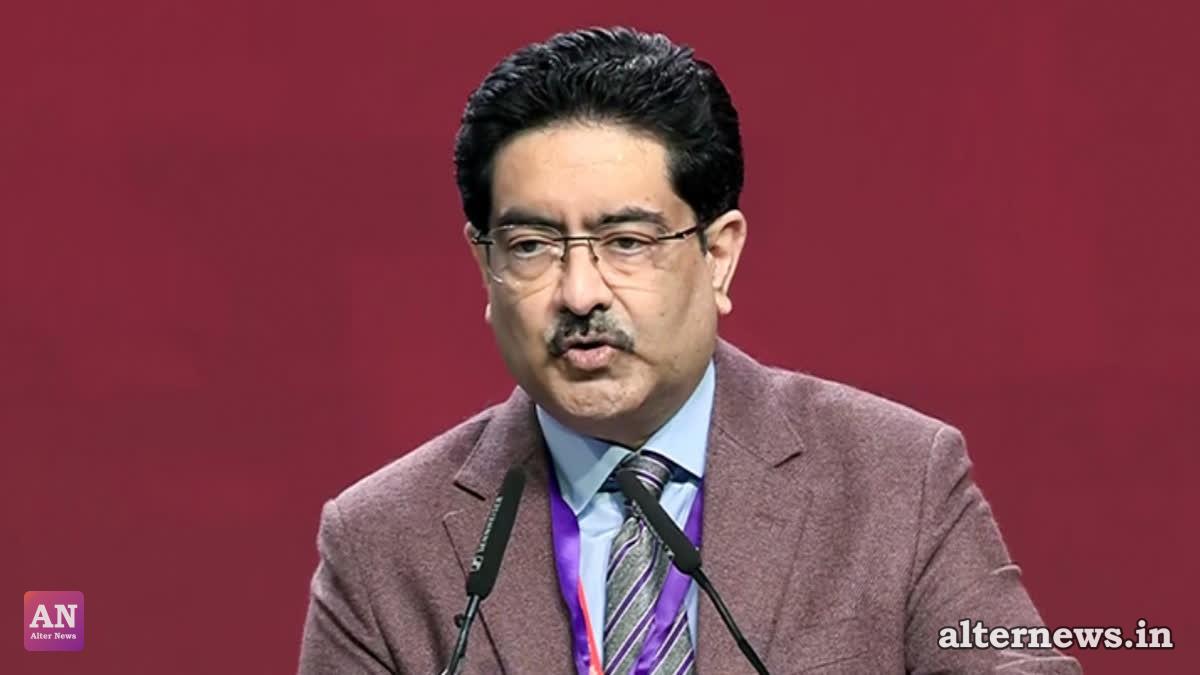
NEW DELHI — Debt-ridden telecommunications operator Vodafone Idea (Vi) requires regular tariff hikes to sustain ongoing network investments and finance the rollout of next-generation digital infrastructure, according to statements made by Chairman Kumar Mangalam Birla in his annual letter to shareholders.
Addressing investors, Birla noted that while India’s mobile connectivity has surged—pushing total broadband subscriptions beyond the one billion threshold in March 2026—the country’s Average Revenue Per User (ARPU) remains among the lowest in the world.
"Periodic tariff adjustments are therefore essential if operators are to sustain investment and finance the rollout of next-generation networks," Birla
emphasized.
Execution Phase Following Financial Resolution
Vodafone Idea reported an ARPU of ₹190 for the quarter ending March 2026. After several consecutive years of customer erosion, the telco recorded a turnaround in user growth during the fourth quarter, concluding FY26 with a subscriber base of 192.8 million, including 128.9 million customers on 4G and 5G networks.
Birla characterized the past financial year as a turning point for the operator, setting the stage for aggressive operational expansion.
"FY26 was a year of resolution. FY27 begins a period of execution," Birla said.
"The company enters this phase with greater financial clarity, improving operating performance, and renewed capacity to invest."
He added that Vi's key operational priorities involve executing its capital outlay program, enhancing market competitiveness, and converting a strengthened balance sheet into sustained subscriber and earnings growth.
₹45,000 Crore Capex Plan and Funding Talks
To regain lost market share and bolster network capacity, Vodafone Idea is currently engaged in advanced discussions with financial institutions and lenders to secure long-term debt financing.
The executive also pointed out that market consolidation—leaving India with three private service providers and one state-owned operator (BSNL)—has stabilized pricing dynamics and brightened the broader sector's investment outlook.
Telecom as Strategic National Infrastructure
Highlighting government policy interventions that helped revive the telecom industry, Birla underscored that connectivity is no longer just a commercial service, but a foundational requirement for national economic growth.
"Telecom is no longer merely a commercial sector. It has become essential national infrastructure, underpinning India’s ambition to become a developed economy by 2047," he noted, asserting that maintaining a financially viable, competitive telecom landscape will be vital to driving the next phase of India’s digital transformation.