KATHMANDU — In a major move aimed at boosting cross-border tourism and commercial ties, Nepal’s central bank has reiterated and clarified rules allowing Indian and Nepalese citizens to carry post-2016 Indian banknotes up to a maximum limit of ₹25,000 per person.
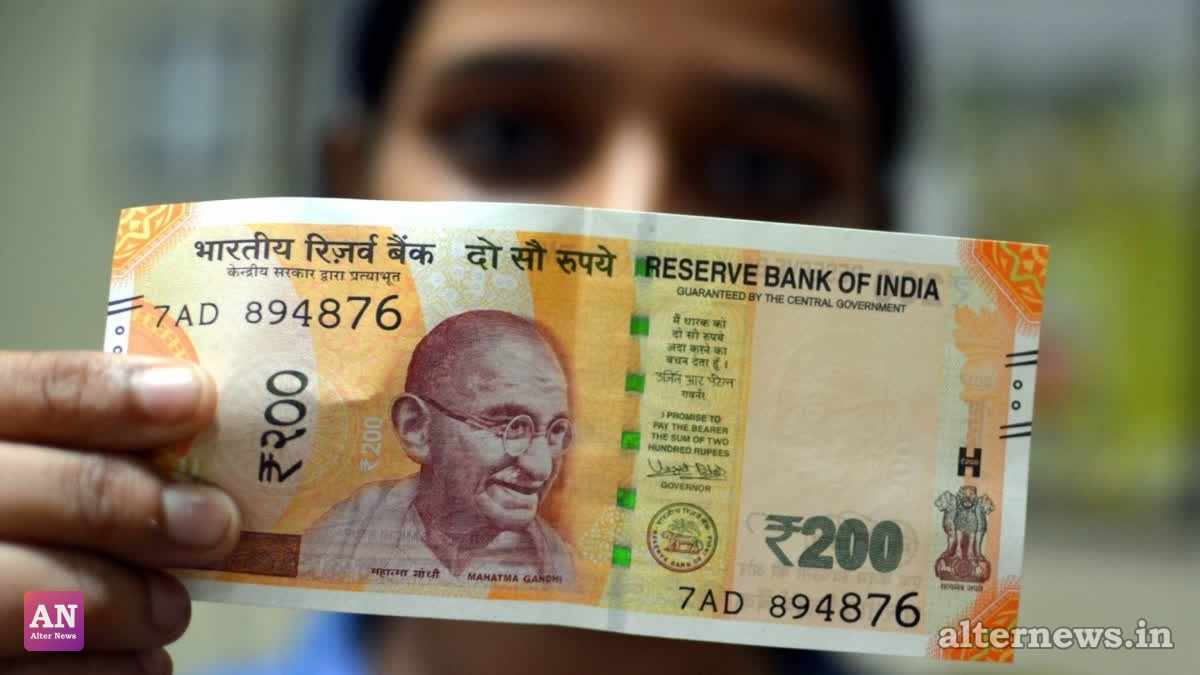
According to a fresh notice issued by the Nepal Rastra Bank (NRB), travelers entering or leaving the country can carry Indian Rupee notes in denominations of ₹200 and ₹500, provided they were issued on or after November 9, 2016—the day following India's landmark demonetization drive.
The central bank emphasized that pre-demonetization banknotes of ₹500 and ₹1,000 denominations remain strictly banned in Nepal.
Cross-Border Movement Regulations
NRB spokesperson Guru Prasad Paudel clarified the specific territorial boundaries for carrying Indian currency. Under prevailing rules, Nepalese nationals are permitted to bring Indian currency into Nepal only when arriving directly from India. Similarly, citizens carrying Indian currency out of Nepal can only transport it into India, not to third countries.
"This provision is specifically designed to facilitate Indian tourists visiting Nepal and to assist Nepalese citizens involved in trade and business activities with India," Paudel explained.
While the regulatory provisions were originally gazetted earlier in the year, the central bank’s latest notice serves as an official re-issue to eliminate confusion and streamline enforcement across transit points.
Customs Guidelines for Foreign Exchange
In addition to the updated rules on Indian banknotes, the NRB outlined general foreign exchange declaration thresholds for international travelers. Nepalese nationals and foreign visitors may bring up to $5,000 USD (or its equivalent in other convertible foreign currencies) into Nepal without formal customs documentation. Any cash exceeding the $5,000 threshold must be declared to customs authorities upon arrival.
Easing Post-Demonetization Hurdles
The movement of cash across the porous 1,800-kilometer India-Nepal border has been a sensitive issue since November 8, 2016, when India invalidated its high-value currency notes. In response, Nepal had implemented stringent bans on foreign transactions using high-denomination Indian currency to prevent illegal cash flows.
However, given that India remains Nepal’s largest trading partner, primary economic ally, and key source of foreign tourists, the strict cash limits posed operational challenges for visitors, migrant workers, and border community traders.
The renewed clarity and structured ₹25,000 limit are expected to streamline daily cross-border transactions, lower friction for Indian vacationers, and support the local tourism economy.