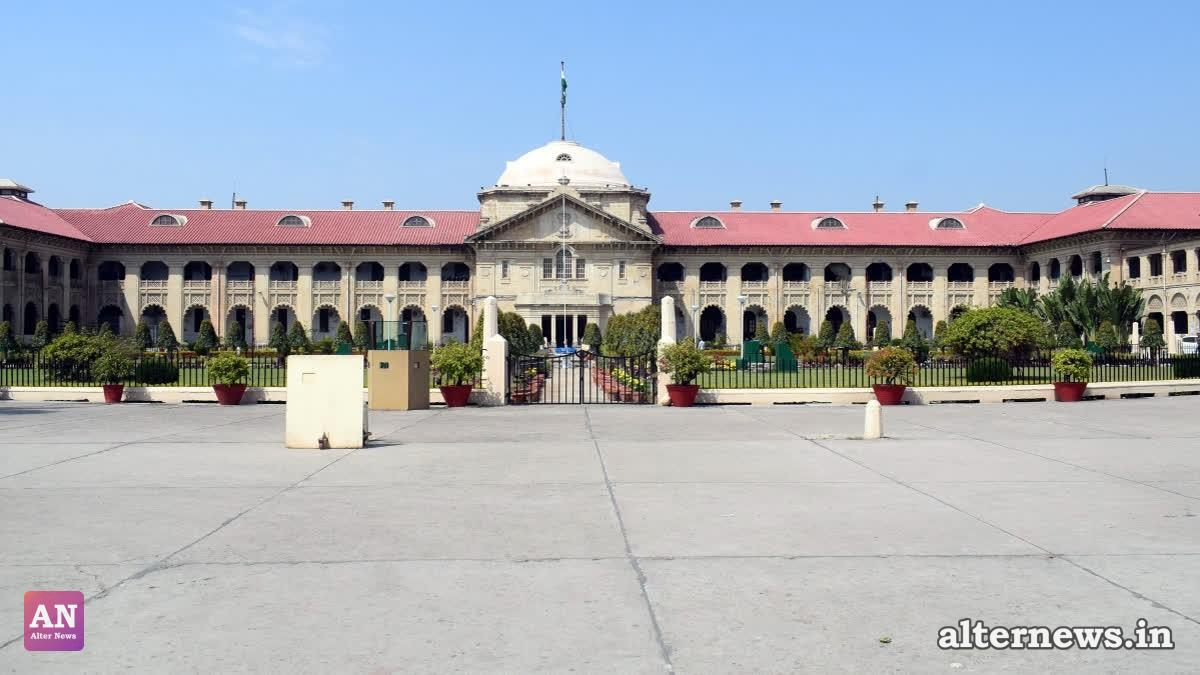
LUCKNOW — In a stern defense of press freedom and accountability, the Lucknow bench of the Allahabad High Court stayed police proceedings against a journalist who was booked after exposing the dismal infrastructure of a government school in Lucknow.
A division bench comprising Justice Abdul Moin and Justice Pramod Kumar Srivastava observed that lodging an FIR against a news reporter for bringing institutional shortcomings to public notice was akin to "killing the messenger" and appeared to be a retaliatory move driven by an "ego issue."
Backstory: A Report on Crumbling Infrastructure
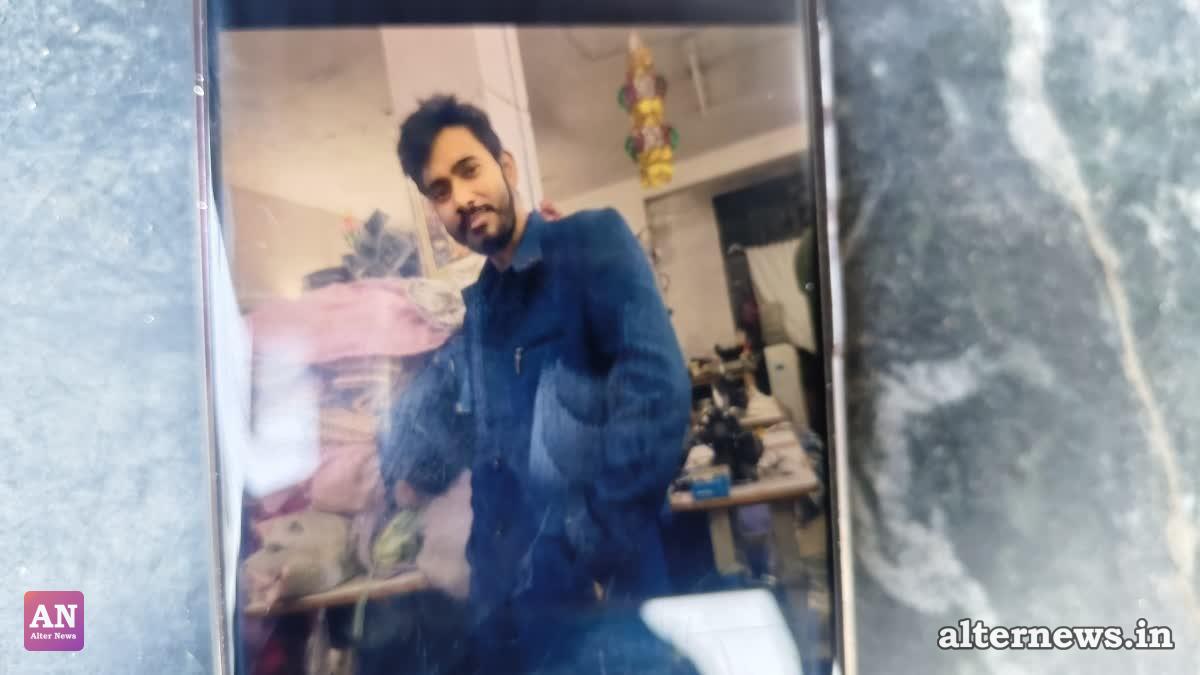
The case stems from a news report by journalist Amit Yadav, who visited Purva Madhyamik Vidyalaya in Begriya Mau, located under the Gosaiganj police station limits in Lucknow, on August 20.
During his visit, Yadav documented severe infrastructural deficiencies, including dilapidated and unhygienic toilets, a lack of clean drinking water, and poor overall premises maintenance. He also interviewed two female teachers regarding the state of the school facilities.
Four days later, on August 24, an FIR was registered against Yadav at the Gosaiganj police station under several provisions of the Bharatiya Nyaya Sanhita (BNS). The police complaint alleged that Yadav had entered the premises without authorization, disrupted classes, forced teachers to speak on camera, and acted out of political bias. Local officials maintained that the school was in "excellent condition."
Yadav subsequently approached the High Court seeking to quash the police complaint.
Court Raps Authorities Over Duty Under RTE Act
During the hearing, the division bench examined photographic evidence submitted by the petitioner showing the abysmal condition of the school's toilets and premises.
The High Court pointed out that under the Right of Children to Free and Compulsory Education (RTE) Act, 2009, the government is statutory-bound to ensure that schools meet prescribed infrastructure standards, including clean sanitation and safe drinking water facilities.
The court stated that when a journalist highlights shortcomings in a public institution, the state government should investigate the claims and take corrective measures rather than treating it as a matter of administrative pride.
"Once as per the Act, 2009, a duty is cast on the Government to do so and in case the petitioner has highlighted the shortcomings in the school and its infrastructure, it was for the Government to have looked into it and to have initiated action for removal of the shortcomings instead of making it an ego issue an
d lodging the impugned First Information Report," the bench remarked.
Lack of Legal Basis for Unauthorized Entry Charge
Addressing the accusation that the journalist entered the school without permission, the court asked the government counsel whether any official order existed prohibiting journalists from entering school grounds.
The Additional Government Advocate (AGA) conceded that no such prohibitory order had been issued by any public authority. Based on this, the High Court held that police had patently erred in law by invoking penal provisions against the journalist.
Personal Affidavit Sought from Education Department
Holding that a prima facie case for court intervention was established, the bench directed that no coercive action or further proceedings be taken pursuant to the FIR until further orders.
In a direct direction to the administration, the High Court ordered the Additional Chief Secretary of Uttar Pradesh’s Basic Education Department to file a personal affidavit within four weeks detailing the current status of the school. The court mandated that the affidavit include photographs of the premises and disclose whether any repair, renovation, or modification work was carried out following Yadav's August 20 report.