Leh: In a decisive push toward carbon neutrality and sustainable regional development, the Ladakh administration has dramatically reduced Value Added Tax (VAT) on natural gas—including Compressed Natural Gas (CNG) and Piped Natural Gas (PNG)—slashing the rate from 21 per cent down to 5 per cent.
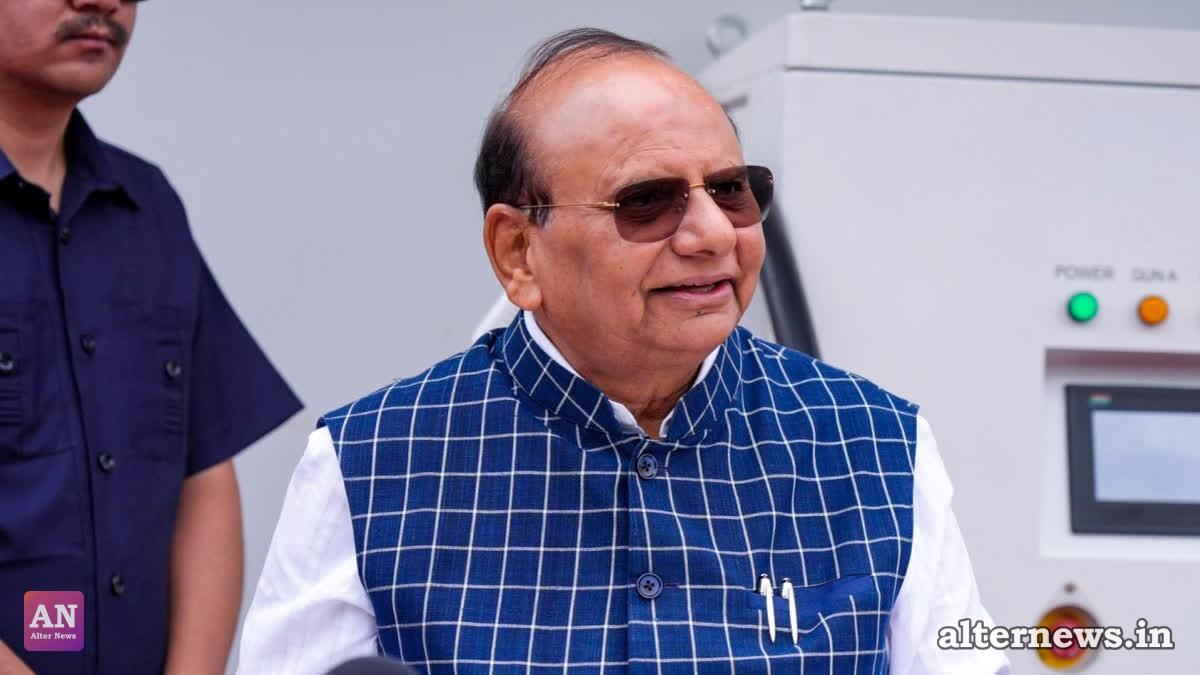
The policy directive, approved by Ladakh Lieutenant Governor Vinai Kumar Saxena, aims to make eco-friendly fuel options economically viable for local households, commercial establishments, and transport operators across the high-altitude Union Territory.
By bringing tax levies down to 5 per cent, Ladakh aligns its fiscal framework with major industrial states like Gujarat, Karnataka, and Andhra Pradesh. Because natural gas remains outside the national Goods and Services Tax (GST) regime, state and UT administrations retain the authority to set individual VAT structures.
Overcoming Mountain Logistics
The tax revision comes on the heels of a formal communication sent on June 22 by the Petroleum and Natural Gas Regulatory Board (PNGRB). The regulatory authority urged the administration to adopt a concessional tax policy to offset the immense logistical hurdles inherent to the Himalayan region.
PNGRB highlighted that Ladakh’s harsh winters, terrain constraints, scattered population hubs, and substantial freight costs significantly raise initial overheads for energy providers. Without fiscal relief, establishing a viable City Gas Distribution (CGD) network in the territory risked becoming cost-prohibitive for both operators and consumers.
With the revised framework now active, state-run Bharat Petroleum Corporation Limited (BPCL)—which holds the mandate for rolling out CGD infrastructure in Ladakh—can accelerate laying pipelines and setting up dispensing units across key urban centers.
Driving a Broader Green Transition
Emphasizing the dual benefit of public welfare and infrastructure growth, LG Vinai Kumar Saxena stated that the measure focuses on lowering daily energy costs for residents while creating an attractive environment for long-term clean energy investments.
"Our objective is to make essential energy more affordable to the people of Ladakh while creating an enabling environment for investment and infrastructure development," Saxena noted. He added that making CNG and PNG readily available will bolster the territory's clean-energy ecosystem and improve overall living standards.
This tax reduction marks the second major energy tariff adjustment by the Ladakh administration in recent months. Earlier, the government slashed VAT on Aviation Turbine Fuel (ATF) for civilian flights from 26.25 per cent down to just 1 per cent under the UDAN regional connectivity scheme—a step designed to position Ladakh as a competitive refuelling stop and boost air travel accessibility.